The CFO paradox: why hiring a finance "expert" often fails startups
Jan 2, 2026
5 min read
Mart
Mart
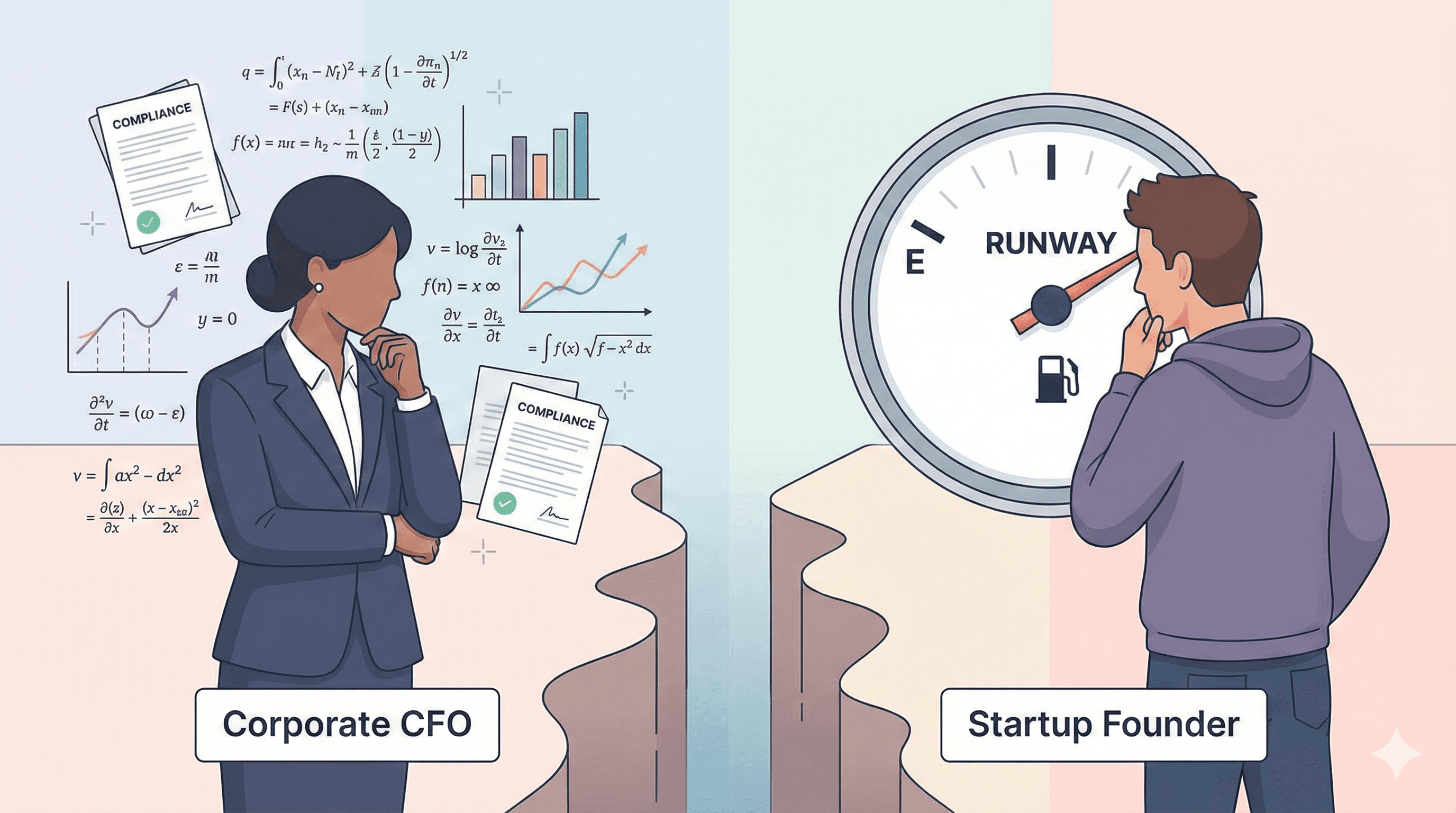
You’ve raised your seed or series A, and the board suggests it's time to "professionalize" the finance function. You hire a brilliant finance graduate or a former big-4 consultant.
Then the language barrier hits.
Your new hire speaks in P&L, GAAP compliance, and EBITDA. But as a founder, you speak in cash flow, runway and survival. While they are busy perfecting the "nature" of your accounting, you are still trying to figure out if you have enough fuel to reach next quarter.
The "full-time" vs. "part-time" trap
Hiring for startup finance feels like a lose-lose situation:
The full-time trap: You hire a high-level strategic CFO. However, a startup rarely has 40 hours of strategic work per week. To fill their time, this expensive hire ends up doing manual data cleaning and chasing receipts. You are paying "C-Suite" prices for "Admin" labor.
The part-time trap: You hire a fractional CFO or a consultant. They are more affordable, but they lack context. You spend your own limited time explaining every transaction and every strategic pivot to them. If they aren't "in the weeds" with you, their advice is often generic and dangerously out of sync with your reality.
The "model graveyard"
Every time a new consultant or finance hire joins, they bring their own "preferred" spreadsheet or software. They build a complex, custom model that only they understand.
The moment they leave, that model dies with them. This is the model graveyard – a trail of broken spreadsheets that leaves the company with zero financial memory. Every new hire has to start from scratch, wasting months of progress and historical data.
The solution: software is the memory
To escape the CFO paradox, you must realize that your financial logic should live in your tooling, not just in someone’s head.
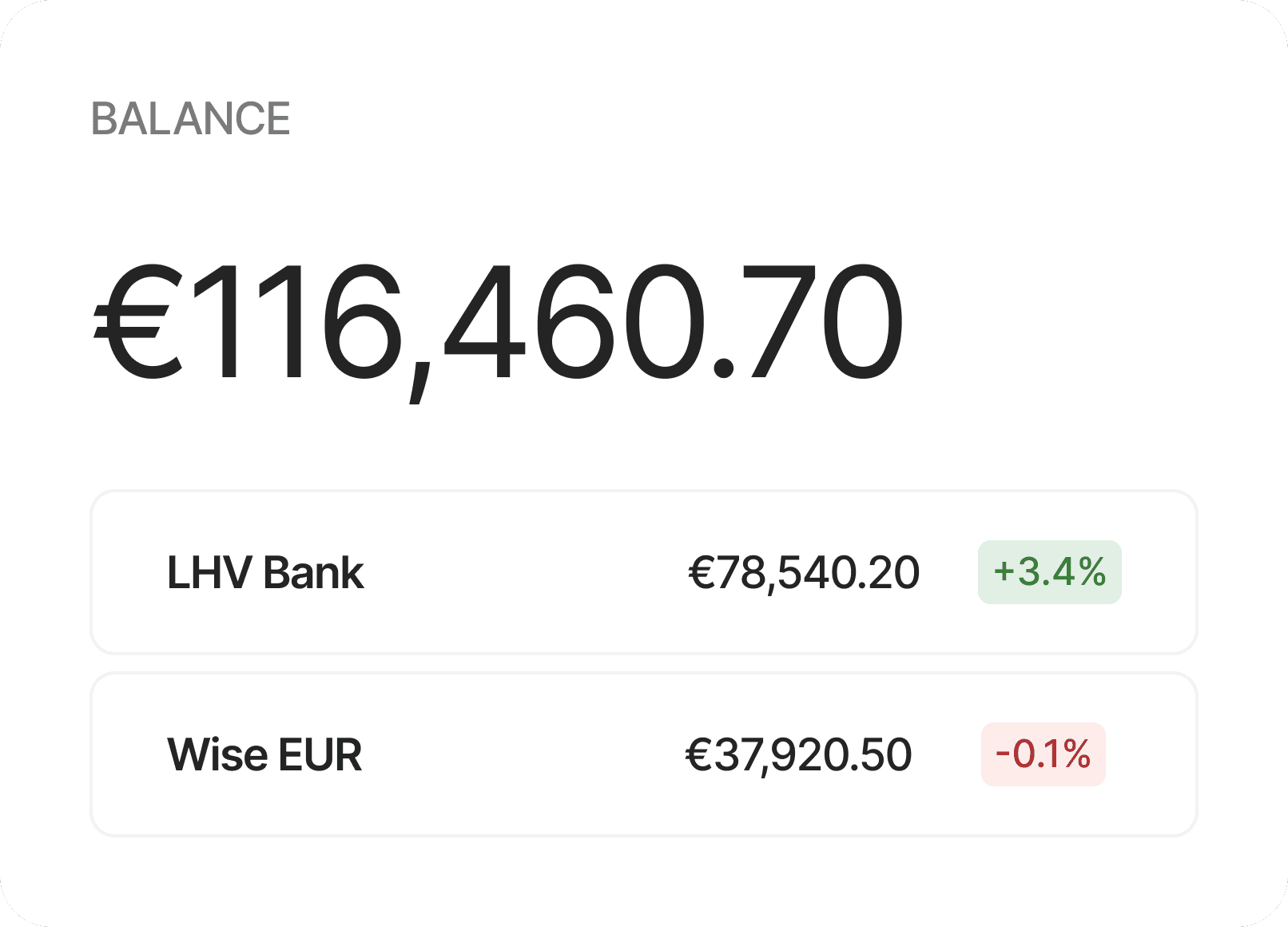
System over people: You need a financial operating system that holds the context of your banks (LHV, Wise, SEB) and your business logic (sales vs. marketing spend).
Automate the manual: Stop hiring humans to do what APIs can do. Let the software handle the data cleaning so that when you do hire a CFO, they can spend 100% of their time on strategy.
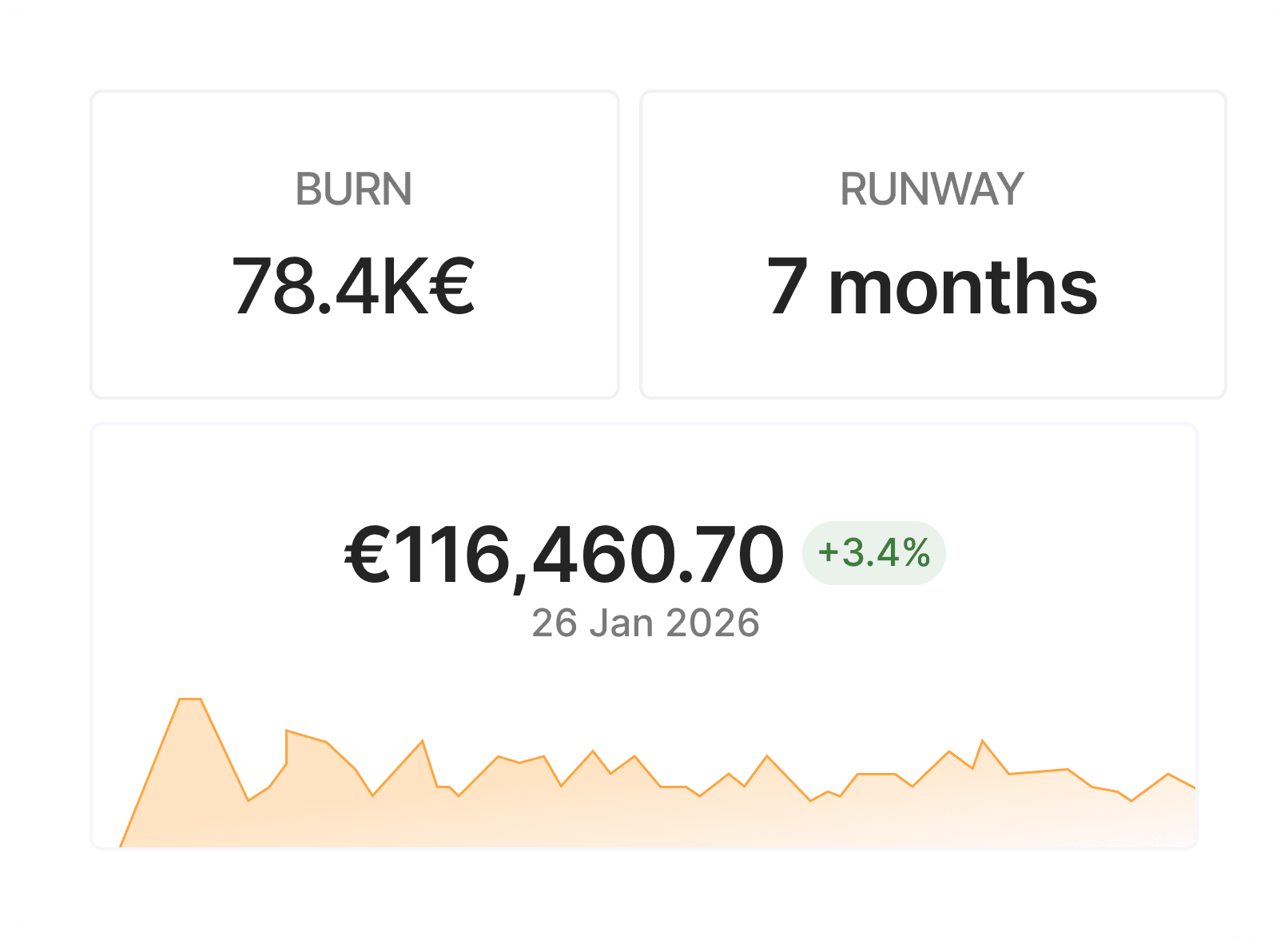
Continuity: When a person leaves, the dashboard stays. Your historical burn, your unit economics, and your runway remain intact for the next person to pick up in minutes, not months.
Don't let your startup's financial health depend on a single person's spreadsheet skills. Build a system that grows with you.

More Blogs
More Blogs




Stop managing your startup in a spreadsheet
Join the founders who have automated their financial reporting. Connect your first bank account in 90 seconds and see your real-time runway instantly.
Stop managing your startup in a spreadsheet
Join the founders who have automated their financial reporting. Connect your first bank account in 90 seconds and see your real-time runway instantly.
Stop managing your startup in a spreadsheet
Join the founders who have automated their financial reporting. Connect your first bank account in 90 seconds and see your real-time runway instantly.